
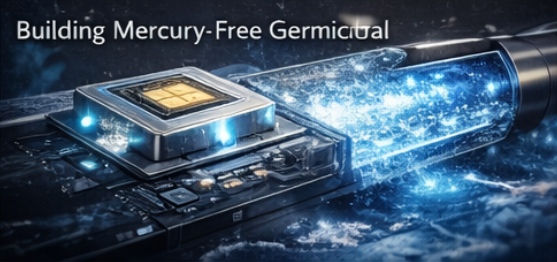
Standard UV parts are useful for early experimentation, but they are not always the best choice for production products. As UVC technology moves deeper into water treatment, air purification, surface sterilization, and laboratory systems, more manufacturers are discovering that custom UVC LED modules offer better long-term value than off-the-shelf components.
The biggest difference is design fit. Standard components are built for broad availability, not for your exact product. They may be acceptable in simple concepts, but once mechanical limits, optical distribution, and performance targets are defined, a generic part often forces compromise. A custom module allows the system to be built around what the product actually needs.
Customization can include wavelength choice, beam angle, chip count, irradiance target, and sometimes package or layout decisions. Those variables affect not only output but also heat management, board design, assembly, and reliability. A product team that starts with the right specification often avoids expensive revisions later.
Off-the-shelf parts can appear cheaper at first. However, hidden costs may show up during engineering. If the angle is wrong, you may need more LEDs. If the wavelength is not ideal, you may need a different optical path. If the package does not fit the housing, the enclosure may need to change. These downstream costs can quickly outweigh the price advantage of a stock component.
Custom modules are particularly valuable in OEM and private-label projects. They support differentiation, improve integration efficiency, and create a more controlled supply strategy. Instead of competing with dozens of near-identical products built around the same standard parts, brands can create systems that reflect their own technical priorities.
Another benefit is supplier collaboration. With a standard component, the relationship is often transactional. With a custom project, there is more opportunity for technical dialogue about the use case, optical behavior, and production goals. That can lead to better decisions and fewer surprises.
This topic also works well in SEO because many searchers are trying to decide whether customization is worth it. A blog that explains the trade-offs can capture those comparisons and route them to the product page. The most suitable internal anchor is tailored UVC LED module.
In the end, the question is not whether standard components have value. They do. The question is whether they fit your final product as well as a custom module can. In many engineering-led projects, the answer is no, and that is why customization becomes a practical advantage rather than a luxury.