LEDINTRO UVLED Customized Solutions

Cart

Your cart is currently empty.

Continue shopping

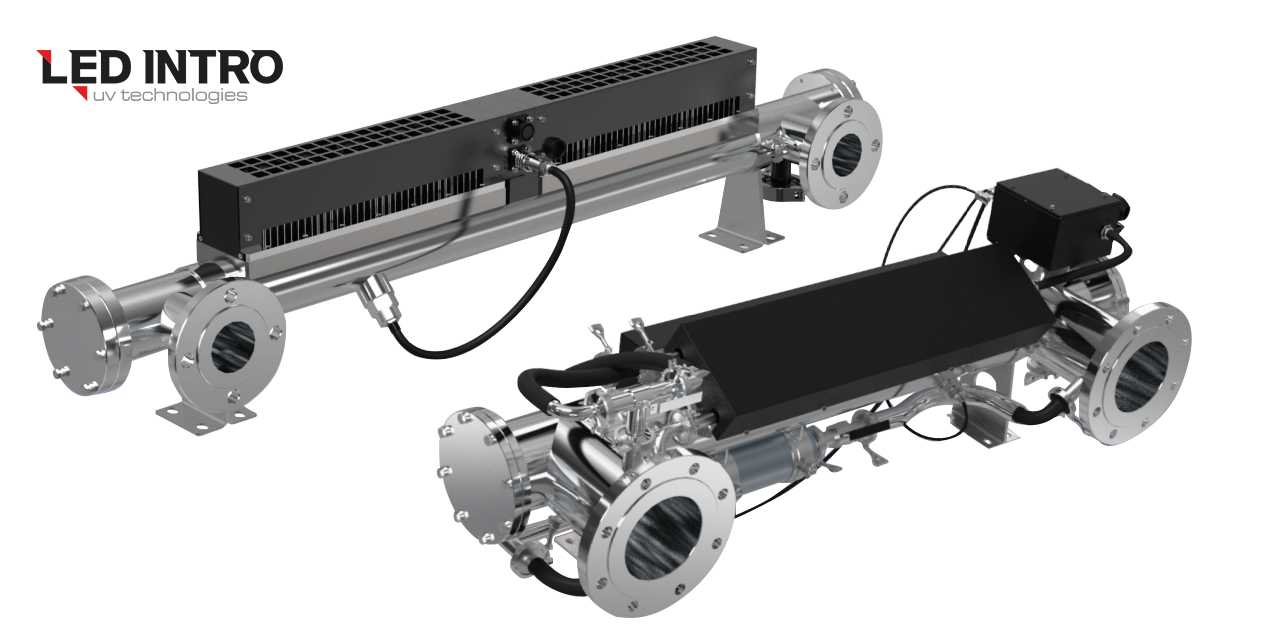
UVC LED large-scale water sterilization solution

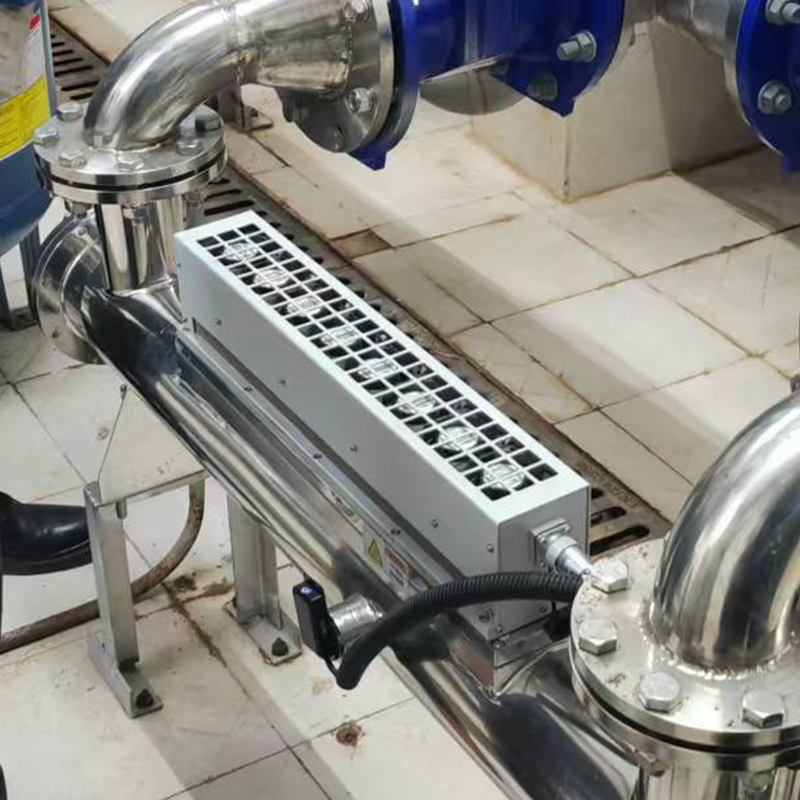
LEDINTRO's UVC (short-wave ultraviolet light, wavelength 200-280nm) water sterilization technology, with its characteristics of "high efficiency, broad spectrum, no chemical residue, and stable operation," has become a core solution for ensuring water quality safety in large-scale projects such as municipal water supply and industrial production, solving the secondary pollution and compliance problems of traditional chemical disinfection (such as chlorine disinfection) and mercury lamps.

UVC LED water sterilization

LEDINTRO's UVC LED (short-wave ultraviolet light, wavelength 200-280nm) water sterilization technology, with its characteristics of "high efficiency, broad spectrum, no chemical residue, and stable operation," has become a core solution for ensuring water quality safety in large-scale projects such as municipal water supply and industrial production, and is especially suitable for scenarios with high water volume and high water quality requirements.
Learn More

Explore the advantages of LEDINTRO

LEDINTRO innovates UV LED sterilization technology, covering industries such as drinking water, aquaculture, medical, and photocatalysis. Please contact us for more information.
Why Choose UVLED?

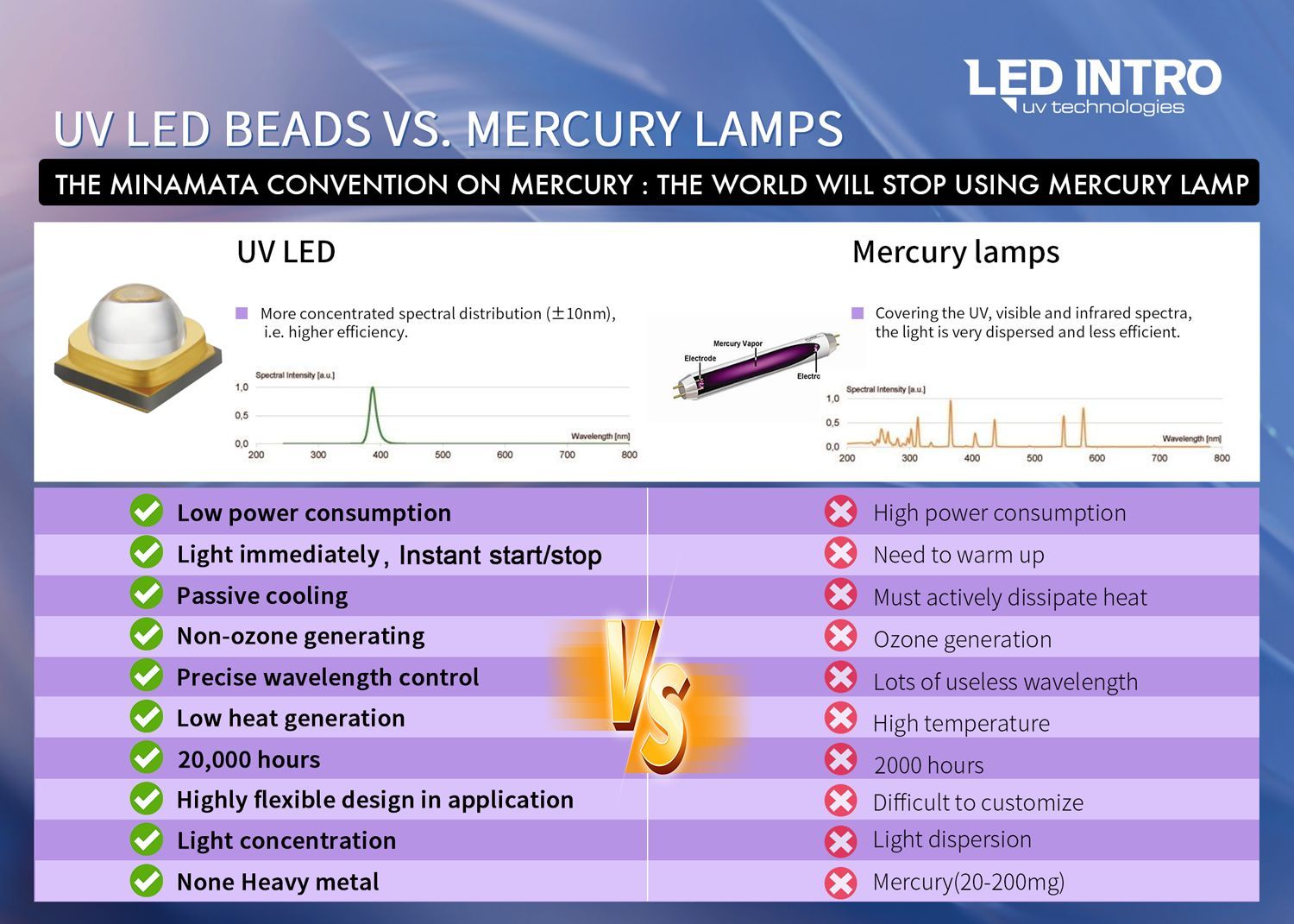
UV LEDs offer advantages such as low power consumption, instant start-up, passive heat dissipation, no ozone generation, precise wavelength control, a lifespan of up to 20,000 hours, concentrated spectrum (bandwidth ≤10nm), and higher efficiency.

Mercury lamps, on the other hand, suffer from drawbacks including high power consumption, preheating requirements, ozone generation, wavelength redundancy, a lifespan of only 2,000 hours, mercury content (20-200mg), a spectrum dispersed in the ultraviolet, visible, and infrared regions, and low energy utilization.
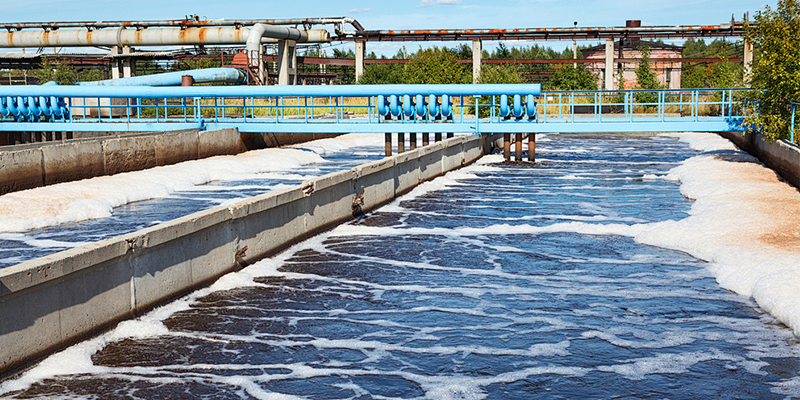
Municipal water supply and drinking water treatment 🏙️

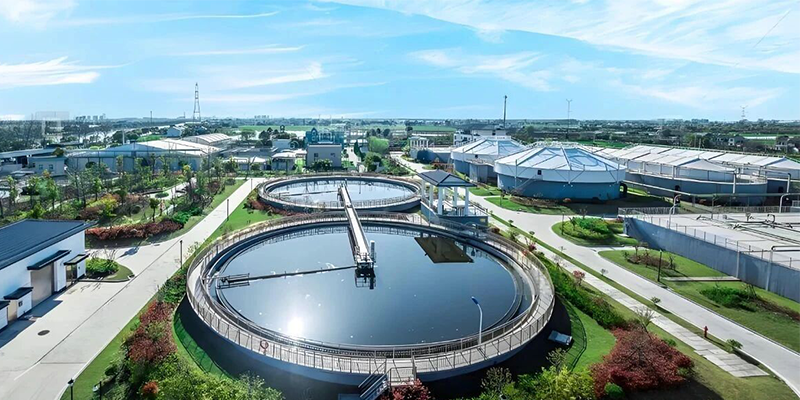
It can replace traditional chlorine disinfection or mercury lamp UV disinfection, avoid residual chlorine and disinfection byproducts (such as trihalomethanes) produced by chlorine disinfection, and at the same time achieve the inactivation of more than 99.99% of bacteria (such as E. coli) and viruses (such as norovirus), ensuring the drinking water safety of millions of people.

Industrial wastewater treatment 🏭

Pharmaceutical/Electronics Industry: Degrades antibiotic residues and organic solvents in wastewater, inactivates highly drug-resistant bacteria, and meets stringent environmental emission standards (such as COD and microbiological indicators);

Food and Beverage Industry: Treats production wastewater (e.g., breweries, dairy plants), inactivates E. coli and mold, enables wastewater recycling (e.g., in washing workshops), and reduces water consumption;

Dyeing and Printing Industry: Assists in degrading the color and organic pollutants in dye wastewater, improving the efficiency of subsequent biochemical treatment.

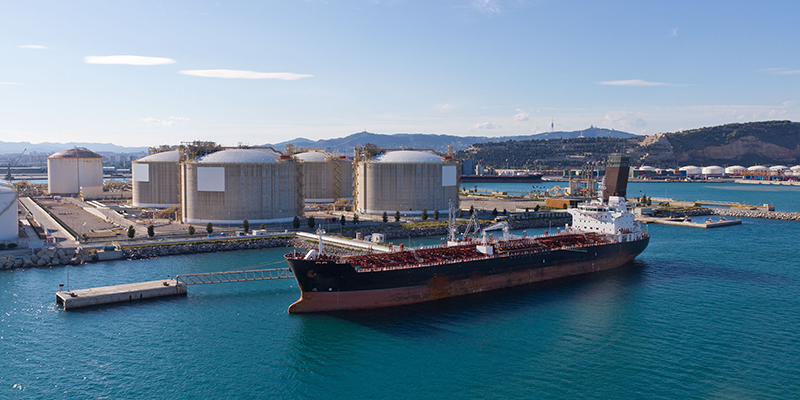
Seawater desalination and ship ballast water treatment 🚢

Seawater desalination: The pretreatment stage inactivates algae and bacteria in seawater, preventing biofouling of the reverse osmosis membrane and extending membrane life by more than 30%; terminal disinfection ensures that the desalinated water meets microbial standards.

Ship ballast water: Complies with the requirements of the Ballast Water Management Convention (BWM), rapidly inactivating harmful aquatic organisms (such as algae and shellfish larvae) in ballast water, preventing cross-oceanic ecological invasion; a single ship's UV LED system can process thousands of tons per day.

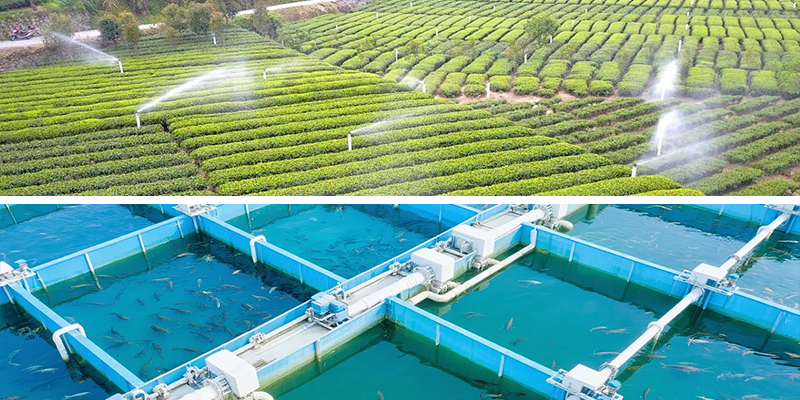
Agricultural and aquaculture water treatment 🐟

Aquaculture: The recirculating aquaculture system inactivates pathogens such as Vibrio and fungi, reducing fish disease outbreaks and lowering antibiotic usage; simultaneously, it retains beneficial minerals in the water, enabling "zero water exchange" aquaculture (e.g., salmon and whiteleg shrimp breeding bases). A single system can cover aquaculture ponds of over 10,000 square meters.

Farmland Irrigation: Disinfects irrigation water to remove Salmonella and parasite eggs, preventing contamination of agricultural products (such as vegetables and fruits) and ensuring food safety.

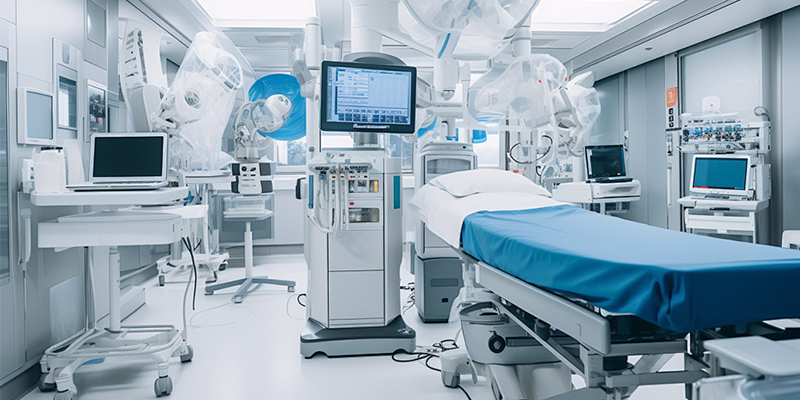
Wastewater treatment in medical and health institutions 🏥

Medical wastewater contains a large number of pathogens (such as Mycobacterium tuberculosis and MRSA), viruses (such as the novel coronavirus), and drug residues. UV LEDs can effectively inactivate these pathogens (killing rate ≥99.999%) without producing chemical residues, meeting the "Water Pollutant Discharge Standard for Medical Institutions". This avoids wastewater discharge from polluting soil and water sources and protects public health and safety.

Advantage

Environmental Protection
LEDINTRO offers state-of-the-art disinfection technology that is environmentally friendly. It is energy-efficient and contains no harmful substances such as mercury.
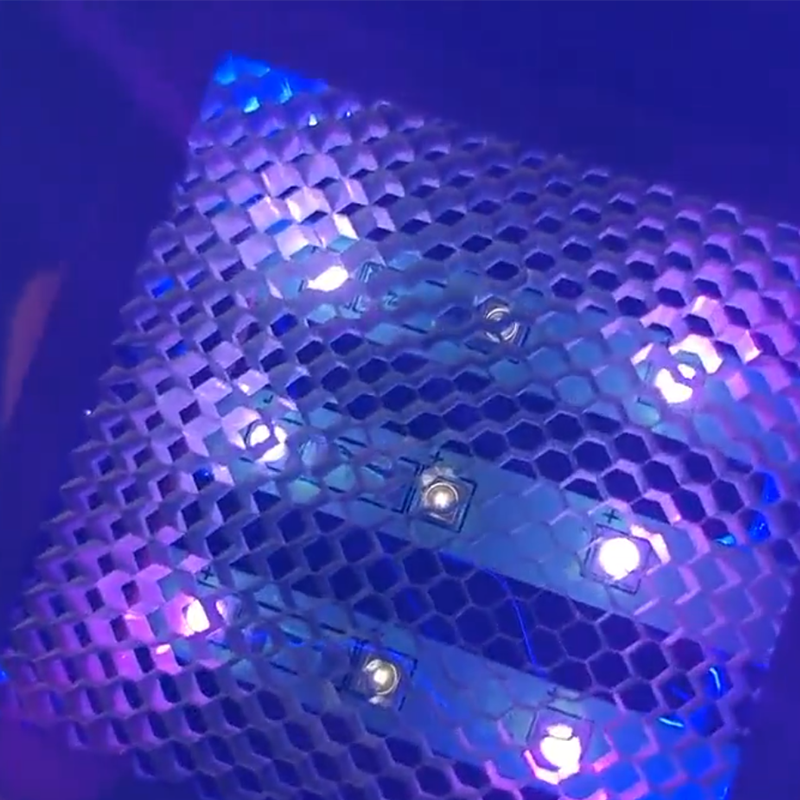
New UVLED Module
The system features stable UV-C output power and advanced cooling technology, which optimizes performance consistency and extends service life.
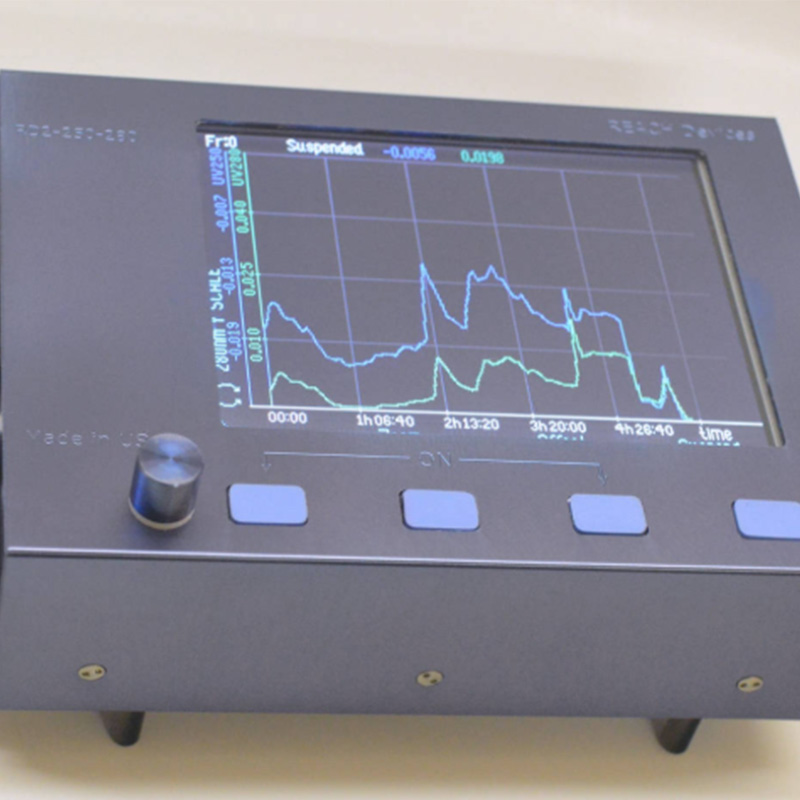
Precise Monitoring
LEDINTRO offers remote I/O interfaces for advanced analysis. Real-time UV intensity and water flow monitoring provide system performance data.
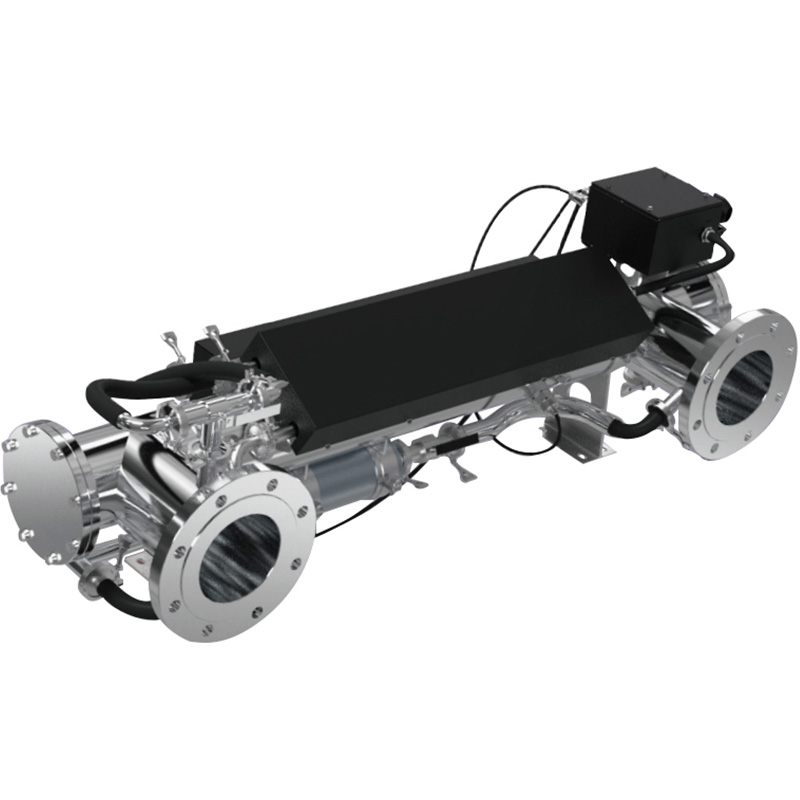
Operating Costs
With instant on/off function, unlimited on/off cycles and low maintenance costs, it provides you with longer-lasting care without the need for additional parts and maintenance expenses.