
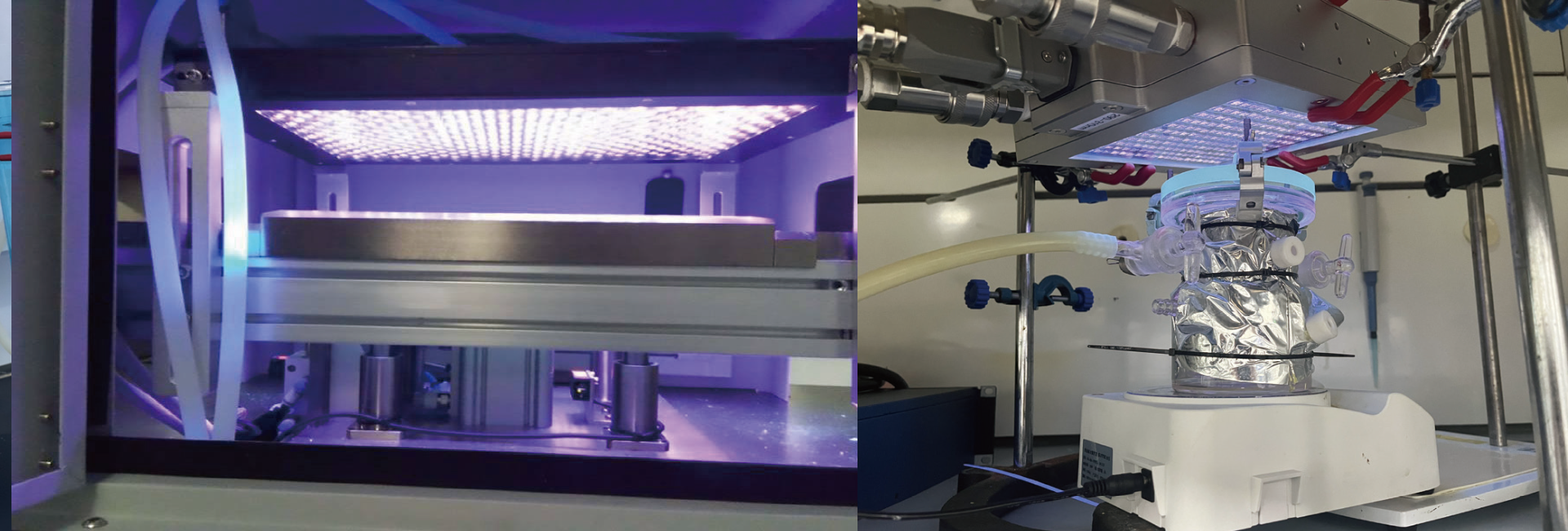
Photocatalytic Reactions Cover
- Chlorination reactions
- Bromination reaction
- Oxidation reaction
- Sulfonation reaction
- Coupling reaction
- Cycloaddition reaction
- Isomerization reaction
- Polymerization
- Nitrosation reaction
- Degradation reactions
- Heavy metal recovery
- Heavy atomization reactions
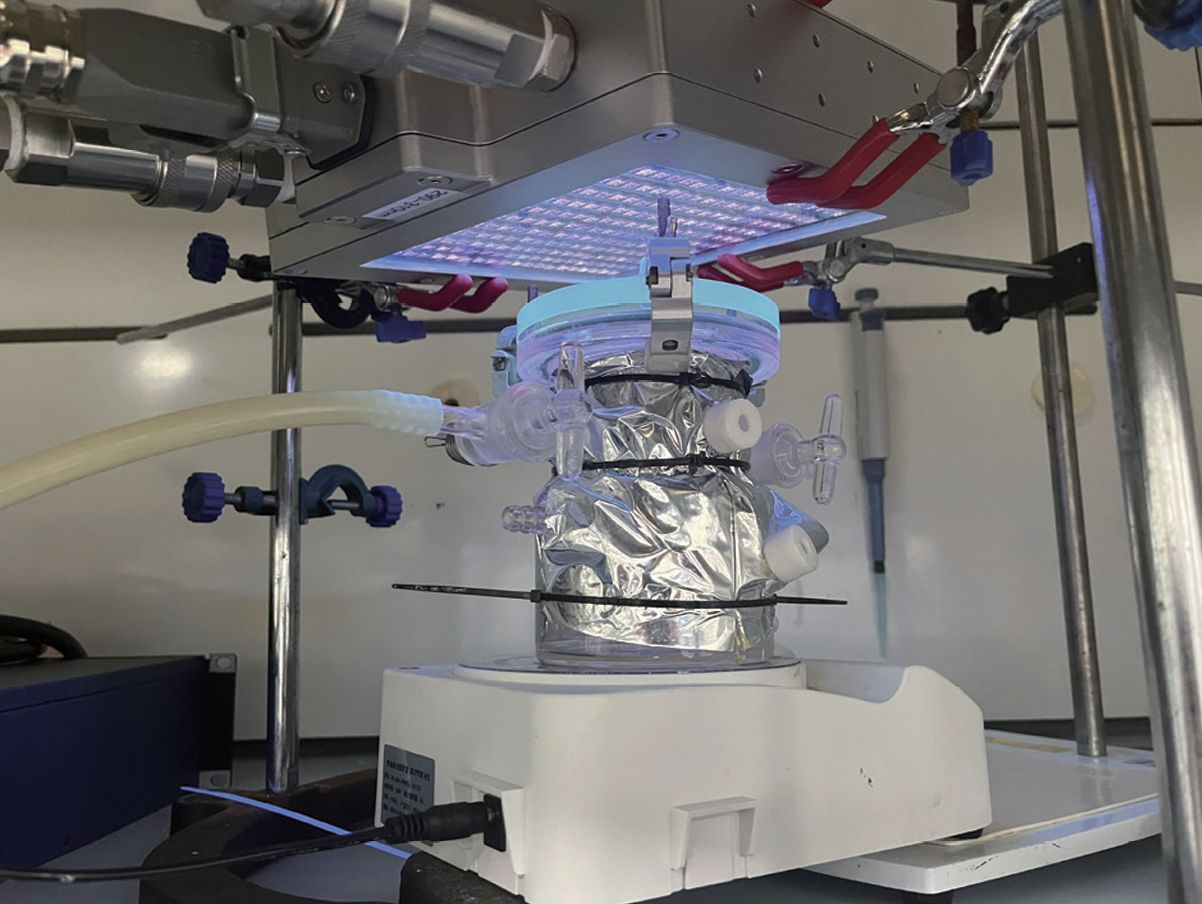
Industrial-Grade Continuous Flow Pharmaceuticals
🎉 Precision UV-LED Photocatalysis Technology Meets the Needs of Industrial-Scale Continuous-Flow Pharmaceuticals 🎉 The chemical pharmaceutical industry is moving toward safer, more environmentally friendly, and more efficient continuous-flow processes. However, the limitations of traditional mercury lamps in energy consumption, thermal management, and wavelength selectivity often become bottlenecks in achieving this vision. Now is the time to overcome these limitations with next-generation UV-LED photocatalysis technology! We specialize in providing industrial-scale UV-LED photocatalysis solutions for the chemical industry. Our core advantage directly addresses the critical need of continuous-flow chemistry: 🔬 Precise wavelength control. Our modules cover the 250nm - 340nm range, available in 5nm increments. This enables you to perfectly match the light "key" to your specific photochemical reaction, significantly improving selectivity and yield, and reducing byproducts.
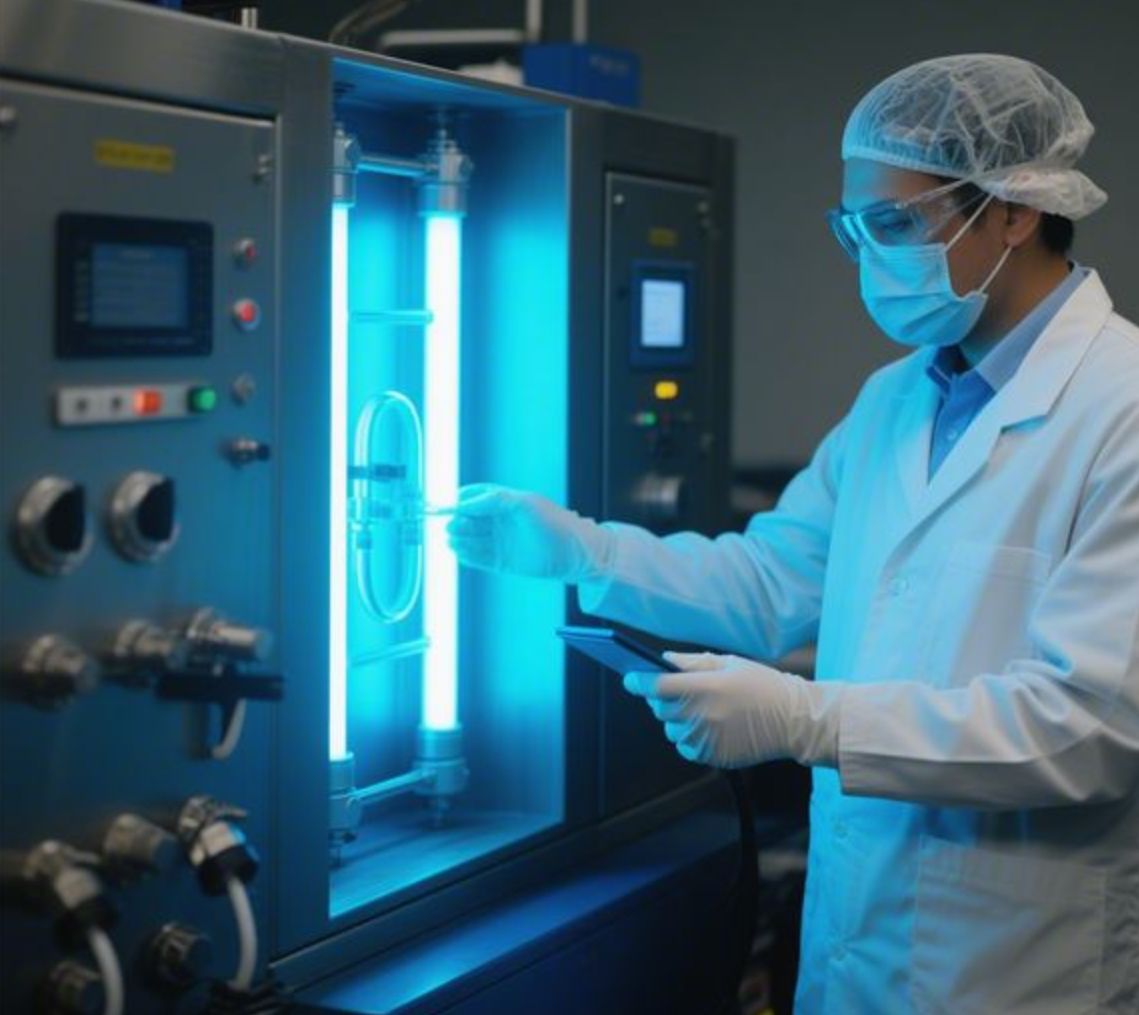
⚡️ World-Leading Energy Efficiency: Our UV-LEDs boast a photon conversion efficiency approaching 10%, far exceeding that of traditional light sources. This not only significantly reduces energy costs but, crucially, enables superior thermal management within microreactors. This prevents decomposition and safety issues caused by overheating, ensuring long-term stability during continuous operation. 💪 Unparalleled operational stability: Our LEDs are rated for 20,000 hours of life and less than 30% light decay, purpose-built for industry. Ultra-long, maintenance-free operation enables reliable, 24/7 continuous production, maximizing yield and minimizing operating costs. We're looking for partners: If your company is engaged in the R&D and manufacturing of APIs, intermediates, or fine chemicals, and you're exploring or already using continuous flow technology to: ✅ Intensify and upgrade processes ✅ Improve production safety and sustainability ✅ Reduce overall production costs, we believe our technology can be the core driver of your next breakthrough process.