
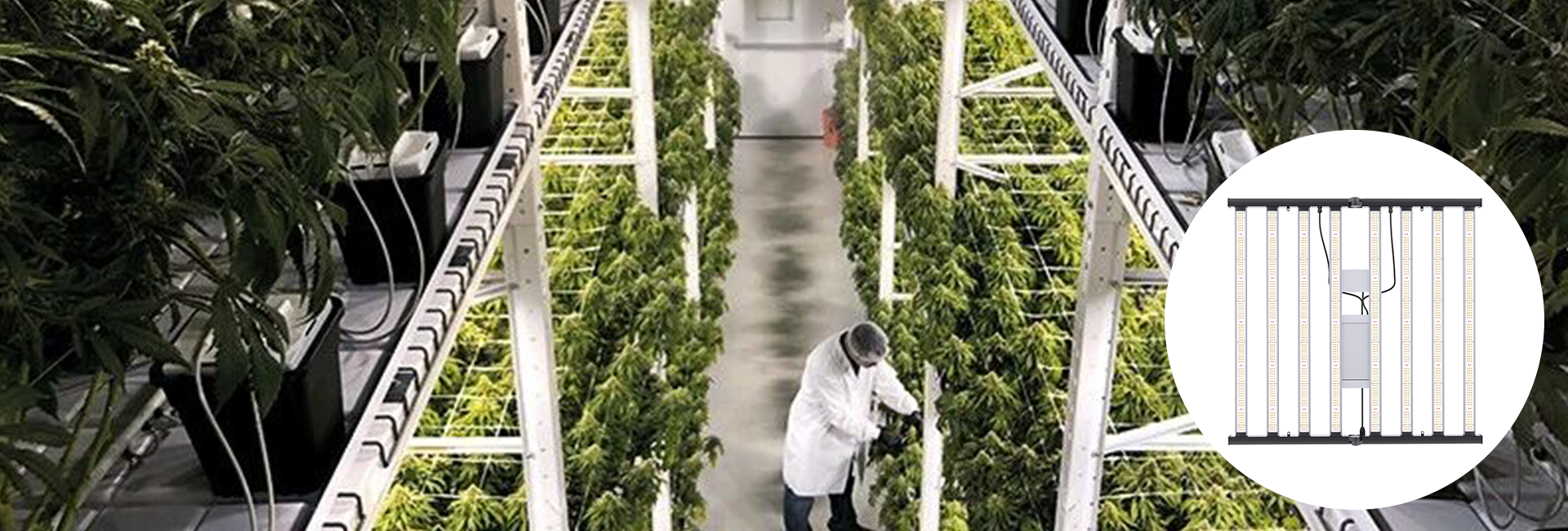
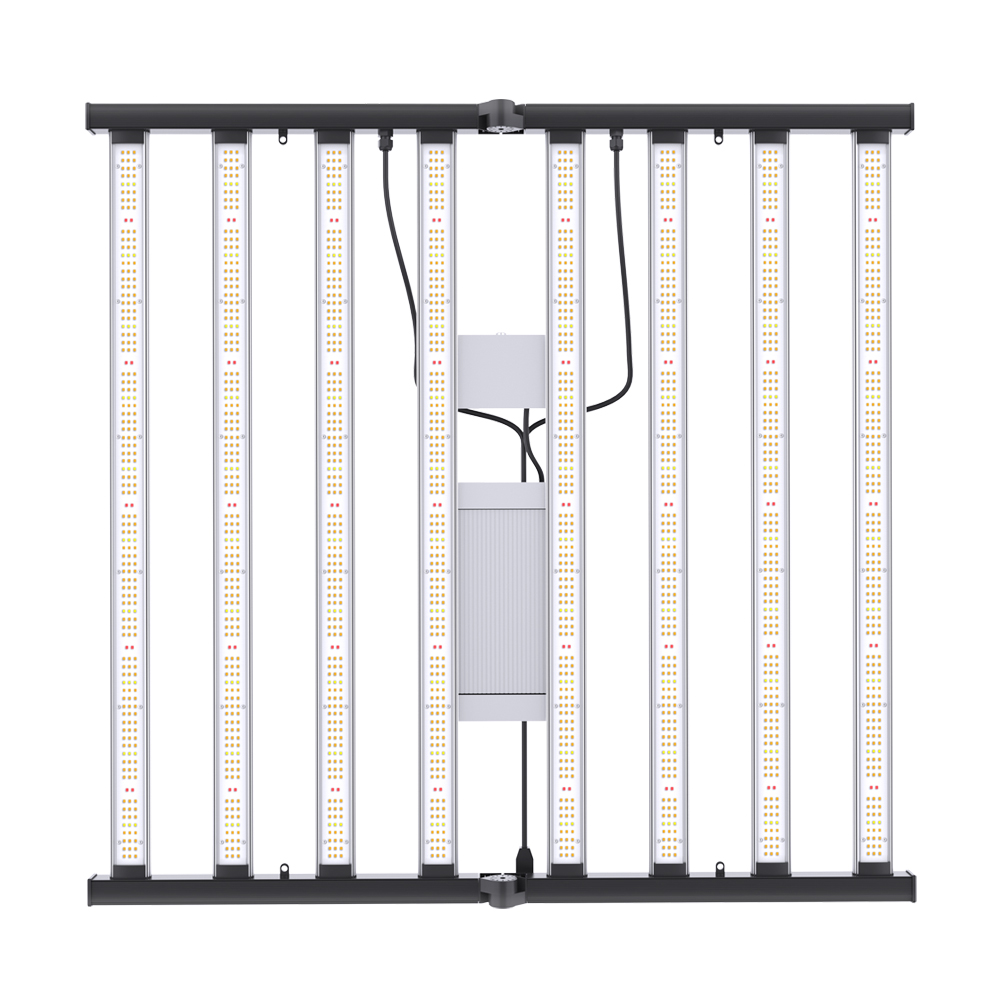
UVB Plant Growth Lamp
UVB radiation causes stress responses in plants. Over the course of long evolutionary processes, cannabis plants have developed adaptive mechanisms to UVB stress. In response to UVB radiation, the tetrahydrocannabinolic acid synthase gene (THCAS) acts as a positively selected gene. Its expression level and catalytic activity significantly influence the accumulation of tetrahydrocannabinolic acid (THCA). THCA, a cannabinoid, protects plants from damage caused by excessive UVB radiation, explaining why UVB exposure increases cannabinoid concentrations.
Working Principle
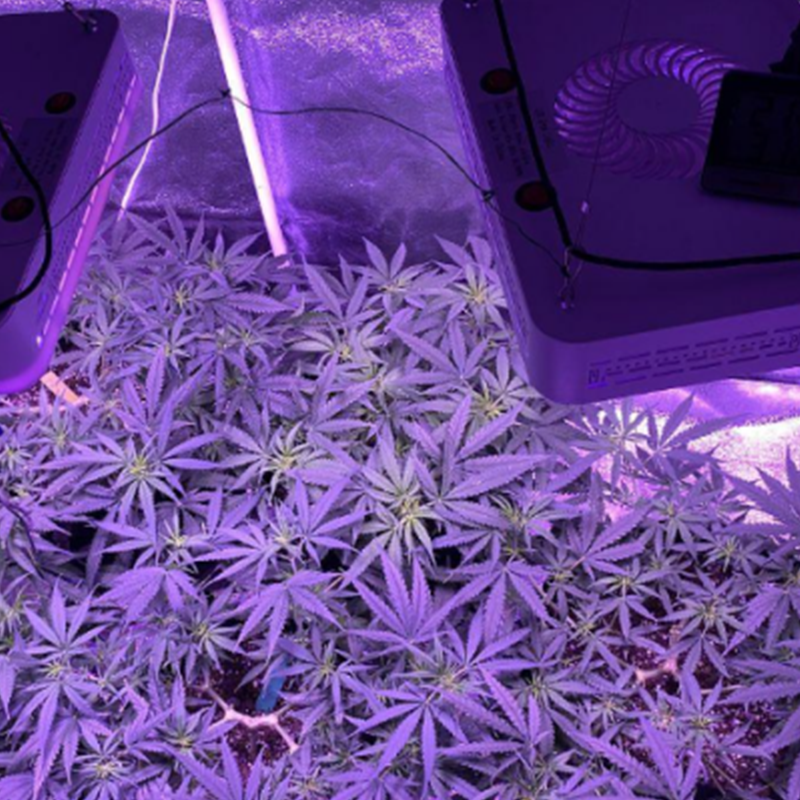
- The core operating principle of this grow light is a scientifically formulated blend of full-spectrum white light, specific wavelengths of 660nm red light, and UVB (ultraviolet B) light. Through the synergistic effect of these different light spectra, they meet the needs of plants at all stages of growth.
- Increased photosynthetic efficiency: 660nm red light, the "core driving spectrum" for photosynthesis, is efficiently absorbed by plant chlorophyll, significantly enhancing the rate of photosynthetic reactions, promoting stem elongation and leaf expansion, and accumulating sufficient growth energy for the plant. UVB light, on the other hand, triggers the plant's natural protective stress response. This moderate stress encourages the synthesis of more cannabinoids and terpenes, ultimately improving the potency and quality of the crop.
- The empowering effect of UVB on growth: UVB acts as a "physical strengthener" during plant growth. By activating the plant's own defense mechanisms, it helps the plant improve its adaptability to the environment. This results in thicker stem fibers (increased resistance to lodging) and denser, fuller flowers during the flowering phase, laying the foundation for high and high-quality yields later in life. Efficient thermal management: The device features an advanced heat dissipation system that quickly dissipates heat generated during operation, ensuring the UVB LEDs remain within the optimal operating temperature range. This design not only effectively extends the lamp's lifespan but also minimizes the risk of failure due to overheating, making it suitable for the long-term, continuous operation required in indoor cultivation environments.
Customization Process
- Precise Demand Collection: We begin with in-depth communication with clients to comprehensively understand their planting needs, including the target growth stage of the crop (e.g., vegetative growth stage, flowering period), preferred light intensity, and the power input parameters required for equipment operation. This provides a data basis for subsequent customization.
- Customized Spectral Scheme: Based on the collected needs and the characteristics of the planting environment, we tailor-make LED spectral ratio schemes. Whether focusing on optimizing leaf development during the vegetative growth stage or improving flower and fruit quality during the flowering stage, we adjust the ratio of full-spectrum white light, 660nm red light, and UVB to ensure the spectrum perfectly matches the growth target.
- Production and Rigorous Testing: The lamps are manufactured according to the customized scheme. Each finished product undergoes multiple rounds of rigorous testing—including spectral accuracy calibration, power stability testing, and high-temperature and high-humidity resistance testing—to ensure that the quality, operational stability, and performance of the lamps meet standards under different usage conditions. Delivery and Ongoing Support: After testing is completed, the customized grow lights and detailed installation instructions will be delivered to the customer, along with ongoing technical support services, such as installation guidance and parameter adjustment suggestions during use, to help the customer achieve the best planting results.