
LEDINTRO UVLED Customized Solutions

Cart

Your cart is currently empty.

Continue shopping

UV LED for HVAC Systems

UV LED technology can operate continuously within HVAC systems, effectively inhibiting the growth of microorganisms in the air and on the surfaces of key components, reducing biofilm formation, and supporting long-term stable indoor air quality management.

Microbial Challenges Within HVAC Systems

Common problems in HVAC systems include:

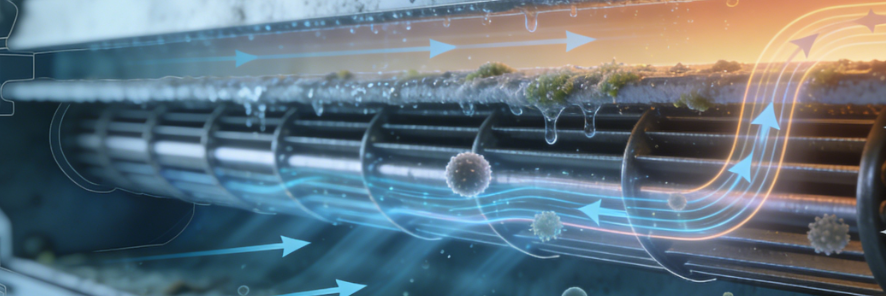
  • Microbial growth on cooling coils and drip trays
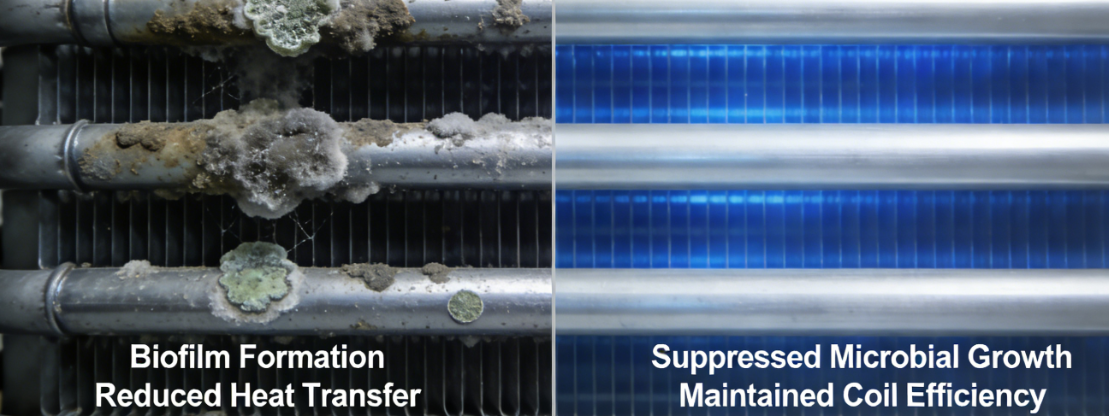
  • Biofilm formation, reducing heat exchange efficiency
  • Bacterial and mold spores spreading throughout the room via air ducts
  • Increased maintenance frequency and operating costs
Studies show that biofilm buildup on cooling coils can reduce heat exchange efficiency by 10–30%, directly impacting HVAC system energy consumption and overall performance.

Why Introduce UV LED Technology into HVAC Systems?

Core functions include:

  • Inactivating bacteria, mold, and viruses
  • Inhibiting biofilm formation on cooling coil surfaces
  • Reducing the microbial load in the system's circulating air
UV LED systems can operate continuously and synchronously with the HVAC system, without affecting the existing system structure and workflow.

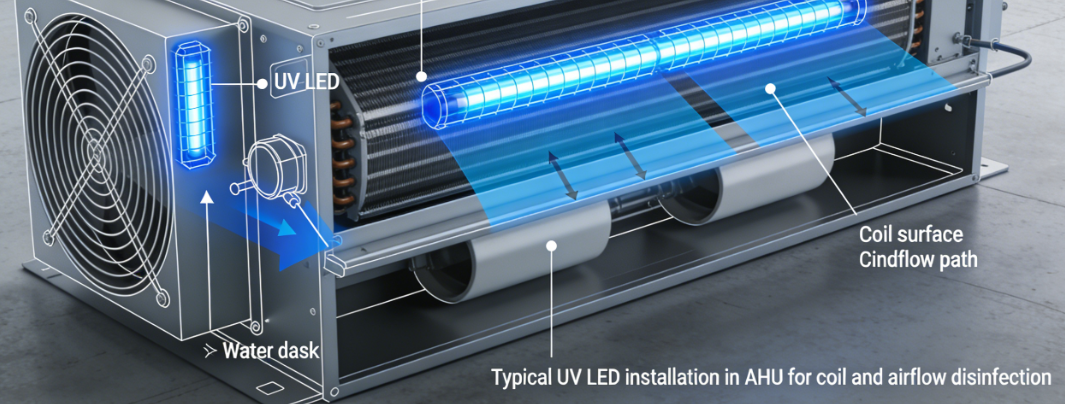
How UV LEDs Work in HVAC Systems

Contaminated air enters the HVAC unit:

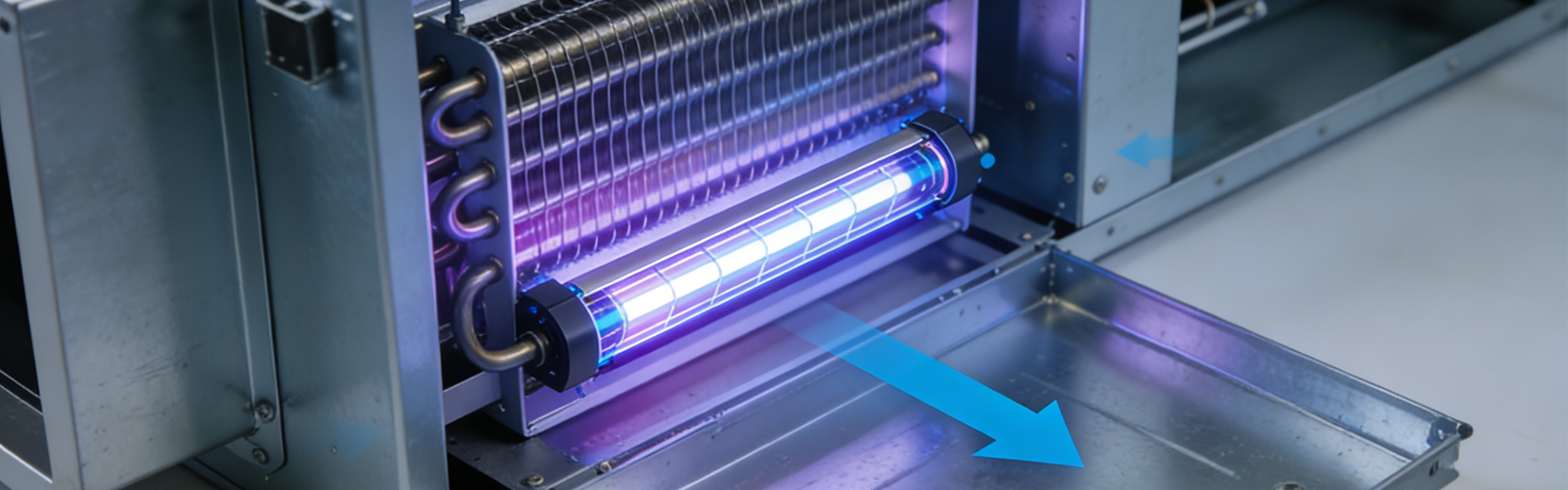
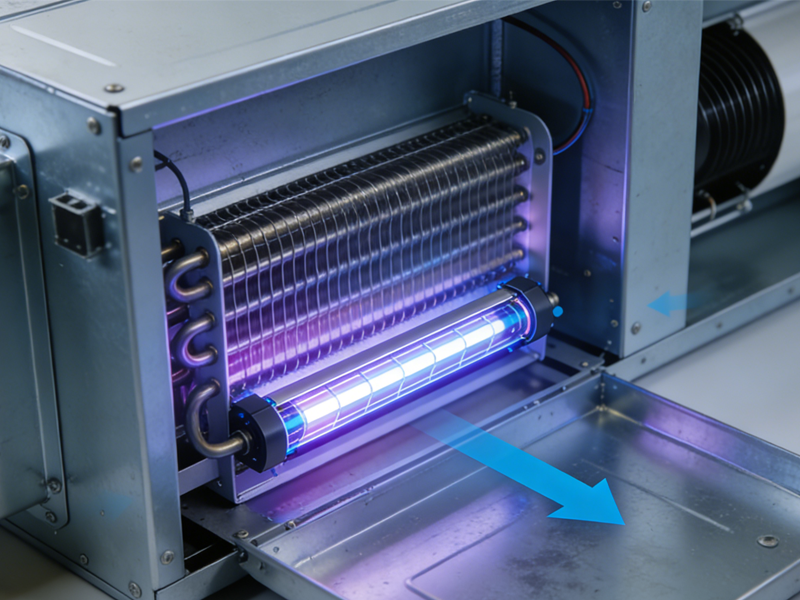
  • The UV LED module irradiates the airflow and critical components.
  • The UV-C band disrupts the DNA/RNA structure of microorganisms.
  • Microorganisms lose their ability to replicate and spread.
  • The air inside the system and the surface of the coils remain cleaner.

Typical installation locations:
  • Before or after the cooling coils
  • Drain tray area
  • Supply or return air section (depending on system design)

Performance Data and Technical Characteristics (Examples)

Typical Technical Parameters of UV LED HVAC Systems (depending on application conditions):

  • Wavelength Range: 265–280nm
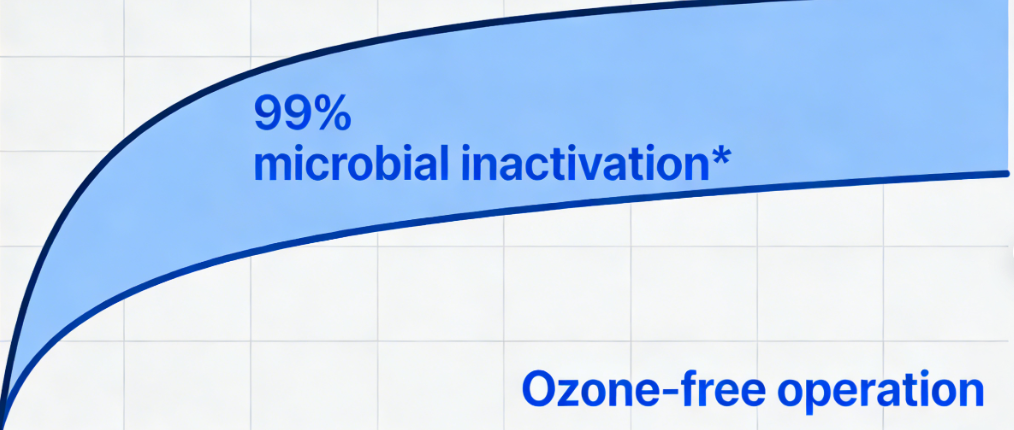
  • Microbial Inactivation Rate: >99% inactivation rate for common bacteria under specific irradiation conditions
  • Lifespan: 20,000–30,000 hours
  • Operating Mode: Continuous operation or periodic control
  • Ozone Generation: None (below detection limit)
Actual performance is related to factors such as wind speed, irradiation time, and installation structure.

Collapsible content

Are UV LEDs suitable for HVAC systems operating in occupied environments?

Yes. UV LEDs are installed inside the HVAC system and will not directly illuminate areas where people are active.

Do UV LEDs produce ozone?

No. The system uses an ozone-free wavelength design.

Do UV LEDs contribute to energy savings?

By inhibiting the formation of biofilm in the coils, they help maintain heat exchange efficiency, thereby indirectly reducing energy consumption.

Are they suitable for long-term continuous operation?

Yes. UV LED technology is specifically designed for long-term HVAC operation.

Contact us