
I. UV LED Function
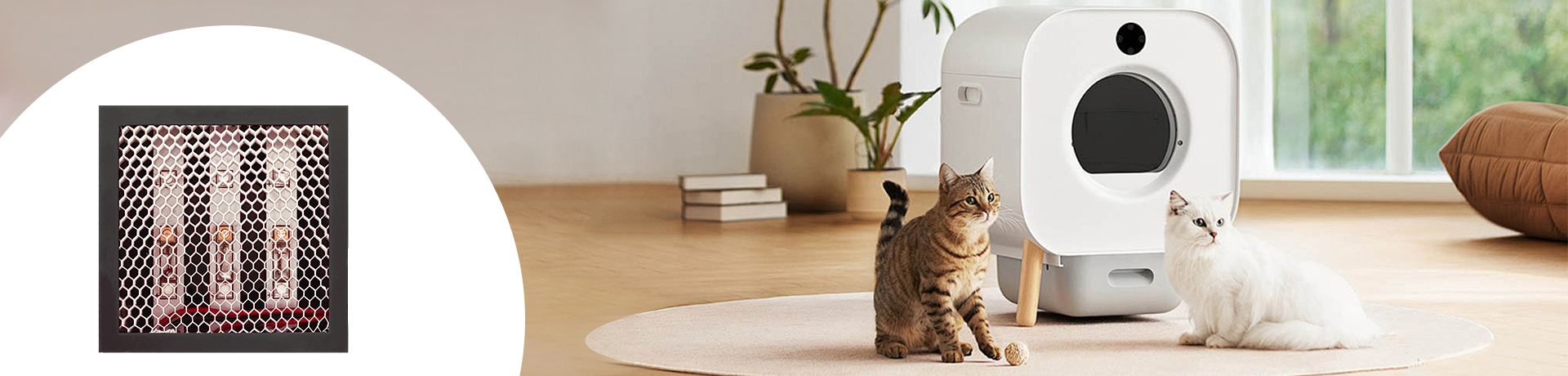
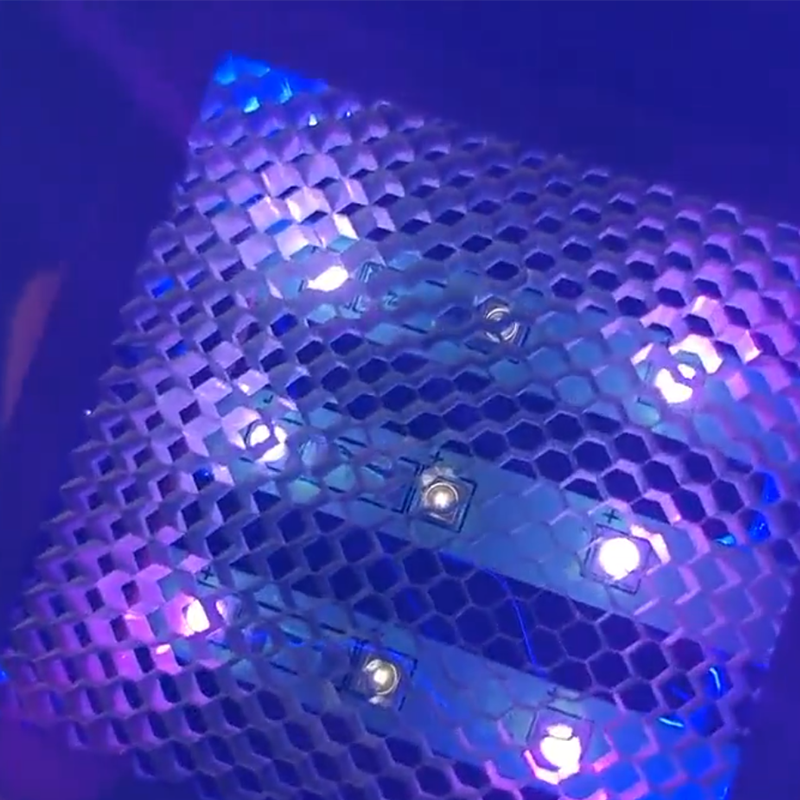
In the litter box photocatalytic air purification system, the UV LED is the core power component, primarily releasing UVA ultraviolet light with a wavelength in the 320-400nm range. From a purification perspective, it targets the root cause of odors in the litter box—gradually decomposing odor molecules such as ammonia and hydrogen sulfide produced by cat excrement into harmless carbon dioxide and water, reducing odors at the source and achieving air purification.
From a safety perspective, UVA ultraviolet light is relatively mild. When used correctly, it will not damage the surrounding environment or the purification equipment itself, and it avoids harming the health of pet cats and family members, balancing purification efficiency and safety.
II. Product Overview
This photocatalytic air purification product, specifically designed for litter boxes, is an innovative solution to the "litter box odor problem" for cat-owning families. The core structure consists of two parts: an air purification module with a photocatalytic coating and an ultraviolet LED lighting system.
The air purification module features a wraparound design that fits snugly against the litter box layout, effectively capturing odor gases diffused within the litter box. The photocatalytic coating on the module's surface possesses high catalytic activity, continuously decomposing odor molecules under ultraviolet LED irradiation, ensuring stable purification performance. The ultraviolet LED lighting system is customized for different litter box sizes, guaranteeing even UV coverage of the photocatalytic coating and fully activating its catalytic properties.
In the litter box photocatalytic air purification system, the UV LED is the core power component, primarily releasing UVA ultraviolet light with a wavelength in the 320-400nm range. From a purification perspective, it targets the root cause of odors in the litter box—gradually decomposing odor molecules such as ammonia and hydrogen sulfide produced by cat excrement into harmless carbon dioxide and water, reducing odors at the source and achieving air purification.
From a safety perspective, UVA ultraviolet light is relatively mild. When used correctly, it will not damage the surrounding environment or the purification equipment itself, and it avoids harming the health of pet cats and family members, balancing purification efficiency and safety.
II. Product Overview
This photocatalytic air purification product, specifically designed for litter boxes, is an innovative solution to the "litter box odor problem" for cat-owning families. The core structure consists of two parts: an air purification module with a photocatalytic coating and an ultraviolet LED lighting system.
The air purification module features a wraparound design that fits snugly against the litter box layout, effectively capturing odor gases diffused within the litter box. The photocatalytic coating on the module's surface possesses high catalytic activity, continuously decomposing odor molecules under ultraviolet LED irradiation, ensuring stable purification performance. The ultraviolet LED lighting system is customized for different litter box sizes, guaranteeing even UV coverage of the photocatalytic coating and fully activating its catalytic properties.
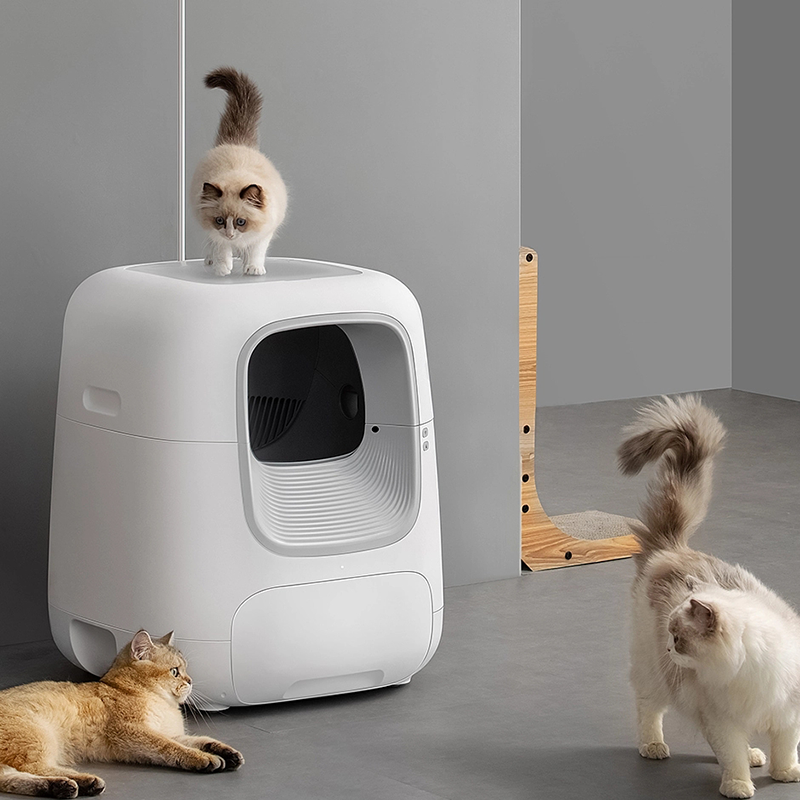
1. Photocatalytic Reaction Principle:
When the photocatalyst is irradiated with UVA light, electrons transition to create holes. These electrons and holes react with oxygen and water to generate free radicals. These highly oxidizing free radicals undergo redox reactions with odor pollutants, transforming them into harmless substances.
2. Synergistic Principle of the Air Purification System:
This purification system creates a natural airflow channel around the litter box. Odor-laden air flows over the photocatalyst surface. Continuous UV LED irradiation ensures the purification reaction continues. The purified air is returned to the indoor environment, maintaining fresh indoor air. An air circulation device can be added to improve purification efficiency.
When the photocatalyst is irradiated with UVA light, electrons transition to create holes. These electrons and holes react with oxygen and water to generate free radicals. These highly oxidizing free radicals undergo redox reactions with odor pollutants, transforming them into harmless substances.
2. Synergistic Principle of the Air Purification System:
This purification system creates a natural airflow channel around the litter box. Odor-laden air flows over the photocatalyst surface. Continuous UV LED irradiation ensures the purification reaction continues. The purified air is returned to the indoor environment, maintaining fresh indoor air. An air circulation device can be added to improve purification efficiency.
I. Customization Process
1. Needs Analysis: Survey the home environment of cat-owning families and the usage of litter boxes. Combine odor levels and user expectations to determine core parameters such as photocatalyst dosage, UV LED power, and wavelength.
2. Design Phase: Design the form and structure of the air purification module and photocatalyst coating. Plan the UV LED and circuit layout, considering both aesthetics and home compatibility.
3. Manufacturing and Assembly: Produce the purification module and UV LED components using advanced processes to ensure quality; after assembly, check for safety hazards to ensure safe use.
4. Testing and Optimization: Test deodorization efficiency, airflow, UV light intensity, etc., in a simulated environment, and adjust and optimize system performance based on the results.
5. Installation and After-Sales Service: Provide on-site installation for users, explain usage methods and precautions; establish an after-sales system to handle problems and collect feedback.
II. Application Scenarios
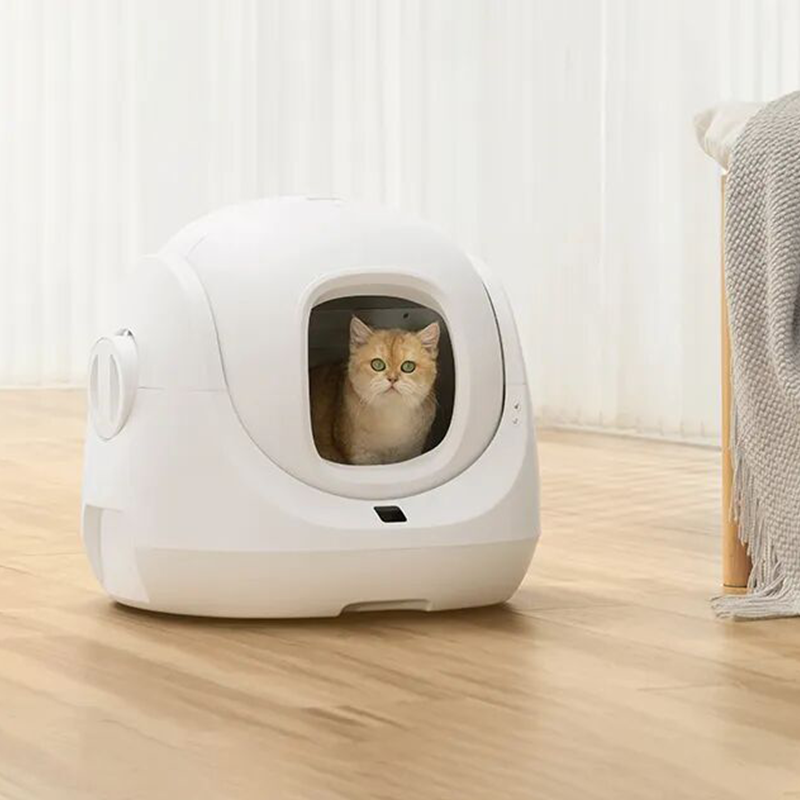
1. Home Cat-Owning Environment: Adapts to various placement locations and ventilation conditions, solves litter box odor, improves indoor air quality, and reduces the impact on family members.
2. Pet boarding facilities: Bulk application can effectively manage odors from multiple litter boxes, improve hygiene, reduce disturbance to staff and pets, and enhance environmental comfort.
3. Cat cafes and other commercial establishments: Maintain fresh air quality, increase customer comfort and dwell time, and support operations and reputation maintenance.
1. Needs Analysis: Survey the home environment of cat-owning families and the usage of litter boxes. Combine odor levels and user expectations to determine core parameters such as photocatalyst dosage, UV LED power, and wavelength.
2. Design Phase: Design the form and structure of the air purification module and photocatalyst coating. Plan the UV LED and circuit layout, considering both aesthetics and home compatibility.
3. Manufacturing and Assembly: Produce the purification module and UV LED components using advanced processes to ensure quality; after assembly, check for safety hazards to ensure safe use.
4. Testing and Optimization: Test deodorization efficiency, airflow, UV light intensity, etc., in a simulated environment, and adjust and optimize system performance based on the results.
5. Installation and After-Sales Service: Provide on-site installation for users, explain usage methods and precautions; establish an after-sales system to handle problems and collect feedback.
II. Application Scenarios
1. Home Cat-Owning Environment: Adapts to various placement locations and ventilation conditions, solves litter box odor, improves indoor air quality, and reduces the impact on family members.
2. Pet boarding facilities: Bulk application can effectively manage odors from multiple litter boxes, improve hygiene, reduce disturbance to staff and pets, and enhance environmental comfort.
3. Cat cafes and other commercial establishments: Maintain fresh air quality, increase customer comfort and dwell time, and support operations and reputation maintenance.